Website Examples

10 Real Estate Website Examples & Design Ideas

Looking for inspiration for a real estate website? These real brokerage and agent websites show different ways to present property search, listings, local expertise, neighborhood content, buyer and seller resources, agent credibility, and lead-generation paths.

Quick Take

What Makes a Great Real Estate Website?

01

Easy Property Search

Buyers should be able to search listings by location, price, property type, neighborhood, or other useful criteria without unnecessary friction.

02

Strong Local Expertise

Neighborhood guides, market information, local photography, and specific regional knowledge help establish credibility.

03

Clear Buyer & Seller Paths

Buyers, sellers, investors, and relocating clients should be able to reach information designed for their specific goal.

04

Visible Trust & Proof

Sales volume, testimonials, local experience, press, notable transactions, and agent credentials can help support trust.

Real-World Inspiration

Real Estate Website Examples Worth Studying

These examples cover large brokerages, boutique firms, teams, and individual agents. Each one demonstrates a different approach to search, local branding, listings, education, neighborhood expertise, or client trust.

01

SERHANT.

Multi-Market Brokerage

Visit Website →
Best Search-First Brokerage Website
SERHANT real estate brokerage website homepage example
SERHANT.

Why it works

SERHANT. makes property discovery a central part of the homepage rather than burying search inside the navigation. Visitors can quickly move toward listings, locations, agents, and other parts of the brokerage.

The site also incorporates the company's strong media identity, creating a brand experience that feels broader than a conventional brokerage website while still keeping property search practical.

02

Fox Marin

Toronto Real Estate

Visit Website →
Best Editorial Real Estate Branding
Fox Marin real estate website homepage example
Fox Marin

Why it works

Fox Marin uses a more editorial, personality-led presentation than the typical brokerage template. The visual style and copy give the firm a recognizable identity while still making its Toronto focus clear.

The site also separates paths for buyers, sellers, and investors, helping visitors reach information based on what they are actually trying to accomplish.

03

Rouse + Co

Hudson Valley Real Estate

Visit Website →
Best Sense-of-Place Storytelling
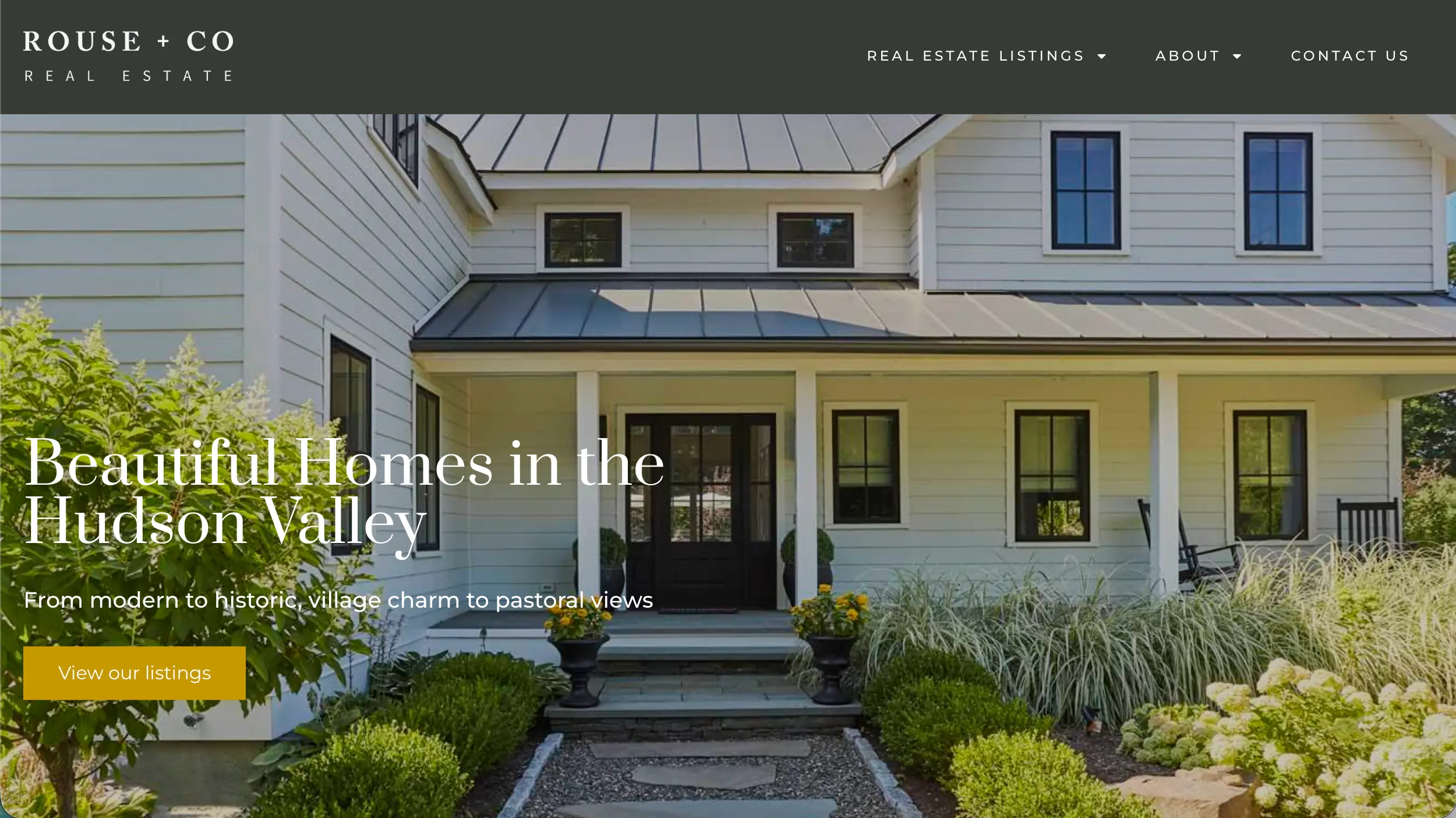
Rouse and Co real estate website homepage example
Rouse + Co

Why it works

Rouse + Co sells the character of the Hudson Valley alongside individual properties. The copy and listings communicate architectural taste, landscape, history, and lifestyle rather than reducing every home to a list of specifications.

That approach is especially effective in a destination-oriented market where many buyers are choosing a place and lifestyle at the same time they are choosing a property.

04

Living Room Realty

Portland Real Estate

Visit Website →
Best Human Lifestyle Branding
Living Room Realty website homepage example
Living Room Realty

Why it works

Living Room Realty frames real estate around everyday life rather than treating homes as abstract inventory. Neighborhoods, parks, gardens, coffee, lifestyle, and community are part of the brand language.

The site still provides practical paths for buying, selling, relocation, renting, and other services, so the personality does not get in the way of navigation.

05

Campion and Company

Luxury Boston Real Estate

Visit Website →
Best Luxury Search & Market Depth
Campion and Company luxury real estate website example
Campion and Company

Why it works

Campion and Company gives serious property search substantial attention. Visitors can search by several useful criteria and then move into neighborhoods, developments, agents, sold properties, and other market information.

The depth is useful for luxury buyers who may be comparing multiple neighborhoods or property types and expect more than a simple gallery of featured listings.

06

Jade Mills Estates

Luxury Agent Brand

Visit Website →
Best Personal Brand & Social Proof
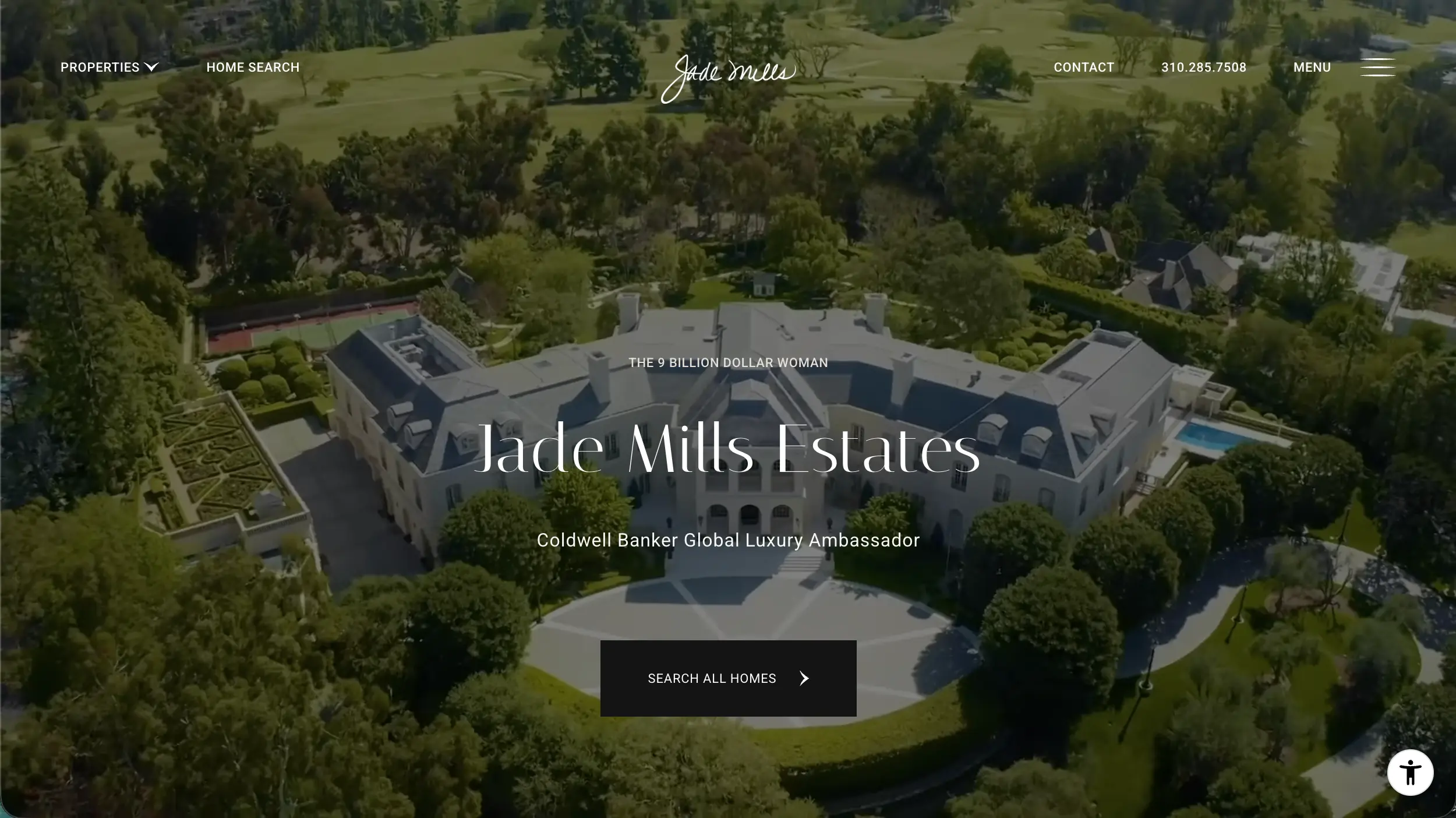
Jade Mills Estates real estate agent website example
Jade Mills Estates

Why it works

Jade Mills Estates demonstrates how an individual agent can build a substantial brand around measurable proof. Career sales, major transactions, rankings, press recognition, and luxury-market experience are visible rather than hidden deep inside an about page.

That proof helps support the premium positioning and makes the personal brand feel established rather than dependent on generic luxury imagery.

07

Dwelling in Maine

Independent Maine Brokerage

Visit Website →
Best Hyperlocal Authenticity
Dwelling in Maine real estate website example
Dwelling in Maine

Why it works

Dwelling in Maine feels connected to the market it serves rather than like a generic real estate template. The site references Maine ownership, local communities, lakeside camps, small towns, coastal properties, and other region-specific details.

That local identity helps reinforce the idea that the brokerage understands the lifestyle and geography behind the transaction, not just the inventory.

08

Chris Cortazzo

Malibu Luxury Real Estate

Visit Website →
Best Neighborhood Expertise
Chris Cortazzo Malibu real estate website example
Chris Cortazzo

Why it works

Chris Cortazzo's site builds around deep Malibu specialization rather than generic luxury real estate. Community pages cover specific areas and give buyers a way to explore Malibu at a much more detailed level.

That neighborhood depth supports both buyers who are still learning the market and the agent's positioning as someone with substantial local knowledge.

09

Path & Post Real Estate

Buyer & Seller Education

Visit Website →
Best Buyer & Seller Education
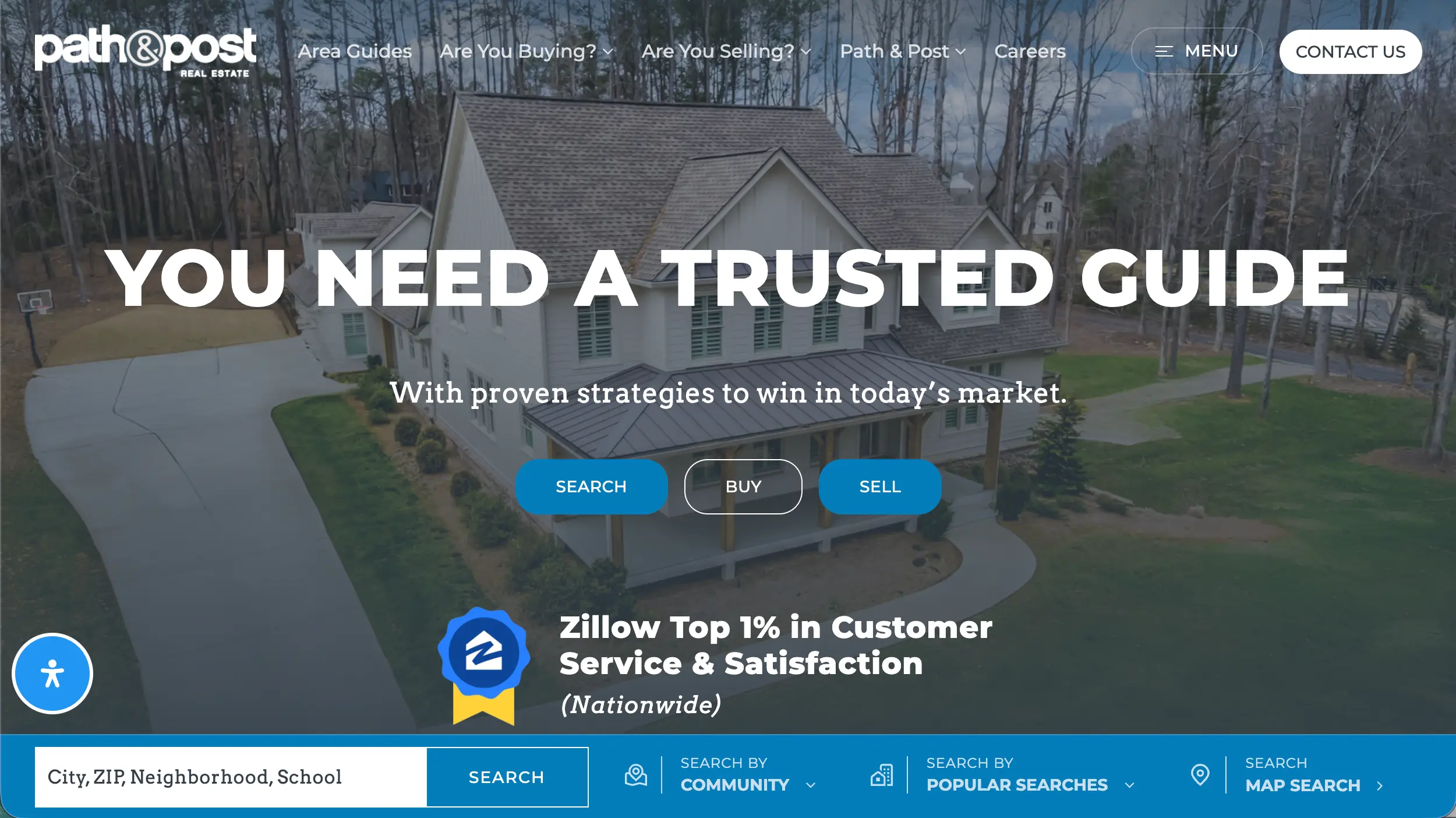
Path and Post Real Estate website homepage example
Path & Post Real Estate

Why it works

Path & Post spends significant effort explaining the transaction rather than assuming visitors only need property listings. Buyers can learn about financing, inspections, negotiation, contingencies, and other parts of the purchase process.

Seller resources, valuation tools, property search, and consultation paths create a site centered on solving client problems rather than simply displaying inventory.

10

Village Properties

Santa Barbara Brokerage

Visit Website →
Best Regional Brokerage Identity
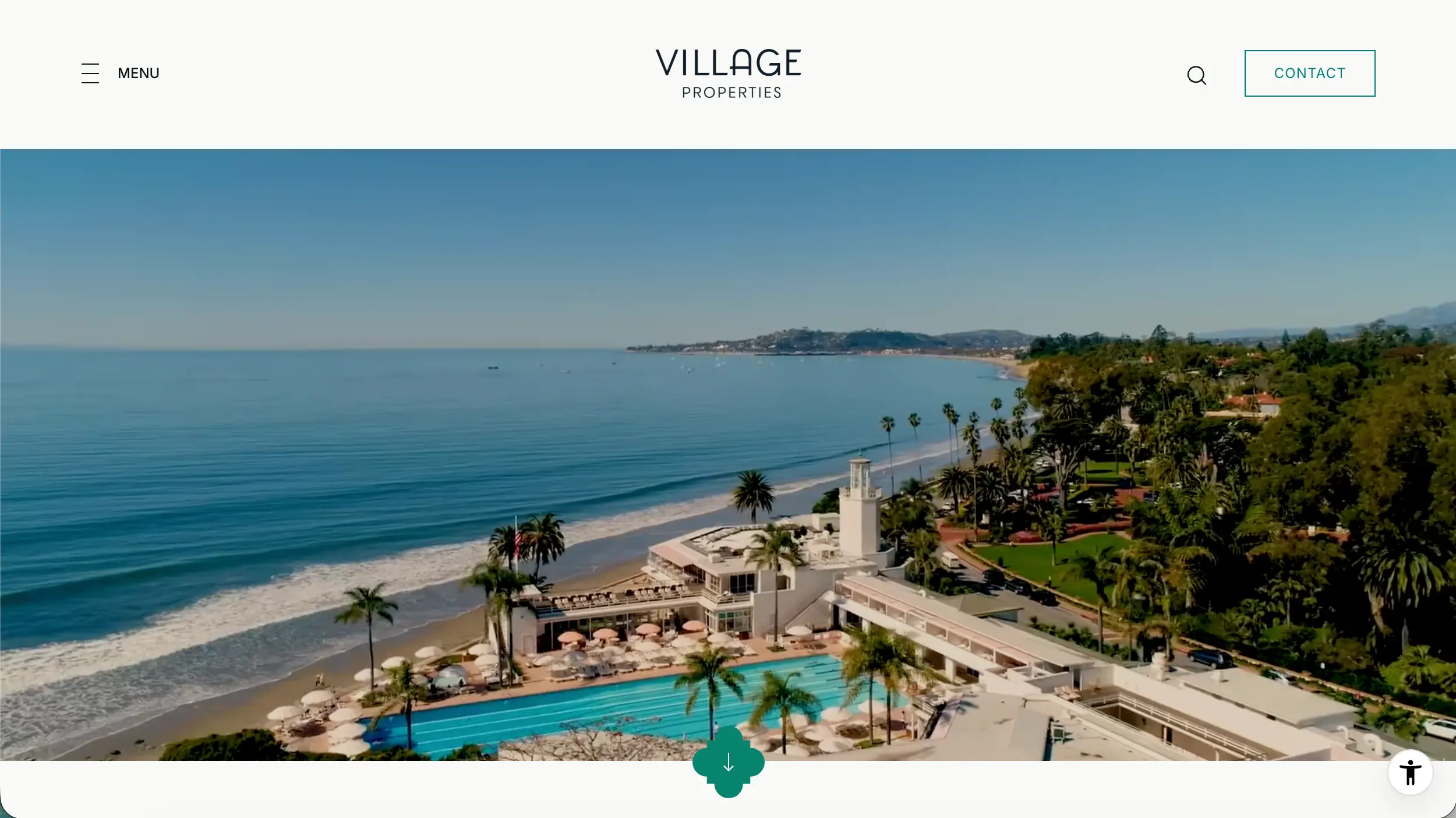
Village Properties Santa Barbara real estate website example
Village Properties

Why it works

Village Properties combines substantial brokerage proof with a strong Santa Barbara identity. Sales history, agents, local offices, featured properties, and regional information reinforce both scale and local presence.

The overall visual presentation also feels connected to the market rather than using a generic luxury aesthetic that could belong to almost any city.

What We Learned

What the Best Real Estate Websites Have in Common

Strong real estate websites do more than display listings. They help visitors search efficiently, understand the market, evaluate the agent or brokerage, and take the next step as a buyer or seller.

Useful Property Search

Search should support the locations, neighborhoods, price ranges, and property types buyers actually use.

Strong Local Expertise

Neighborhood guides, market reports, local photography, and specific regional knowledge help establish genuine expertise.

Separate Buyer & Seller Paths

Buyers and sellers have different questions. Give each audience a direct route to the information they need.

Real Listings & Photography

Strong property imagery and current inventory give visitors something concrete to explore rather than relying only on brokerage marketing.

Meaningful Trust Signals

Sales history, testimonials, transactions, press, agent experience, and local track records can support credibility.

Useful Market Content

Neighborhood guides, buying advice, selling resources, and market updates can help visitors long before they are ready to inquire.

Building Your Own?

How to Build a Real Estate Website Like These

A strong real estate website should make it easy to search properties, understand the market, learn about the agent or brokerage, and move toward a conversation. Use local expertise and useful resources to give visitors a reason to return even before they are ready to transact.

1

Make Search Useful

Give buyers practical filters and simple access to the listings most relevant to their needs.

2

Show Local Knowledge

Build neighborhood and market content that demonstrates familiarity with the places you actually serve.

3

Provide Real Proof

Use legitimate testimonials, sales history, local experience, transactions, or other relevant credibility signals.

4

Simplify the Next Step

Make it easy to request a showing, valuation, consultation, property alert, or direct conversation with an agent.

Before You Launch

Real Estate Website Checklist

Use this as a practical starting point when building or reviewing a real estate website.

Property search is easy to find and use
Current listings include strong real photography
Buyer and seller resources are separated clearly
Agent or team information is easy to find
Service areas and markets are clearly defined
Neighborhood or community pages provide useful local information
Testimonials, transactions, or other trust signals are included where appropriate
Home valuation or seller inquiry options are easy to access
Property and contact experiences work well on mobile
The site's branding feels connected to the market it serves

Frequently Asked Questions

Real Estate Website Design FAQs

What should a real estate website include?

A real estate website should usually include property search, active listings, agent or team information, service areas, buyer and seller resources, contact options, and useful local market or neighborhood information.

Should property search appear on the homepage?

If buyers are an important audience, prominent property search can be useful because many visitors arrive specifically to browse homes. The search experience should be easy to use on both desktop and mobile devices.

Should a real estate website have neighborhood pages?

Neighborhood pages can be very useful when they contain meaningful local information rather than generic descriptions. They can help buyers compare areas while demonstrating an agent's knowledge of the market.

What trust signals should real estate agents show?

Useful trust signals may include legitimate testimonials, sales history, notable transactions, years of local experience, press, industry recognition, and specific market expertise.

What should appear near the top of a real estate website?

Visitors should quickly understand the market being served, who the agent or brokerage is, and how to search properties or begin the relevant buyer or seller process.