Website Examples

10 Photographer Website Examples & Design Ideas

Looking for inspiration for a photography website? These real photographer websites show different ways to present portfolios, organize specialties, explain pricing and process, establish credibility, tell visual stories, and turn visitors into inquiries.

Quick Take

What Makes a Great Photographer Website?

01

Strong Work Immediately

Visitors should be able to understand the photographer's style and quality without digging through several pages first.

02

Clear Specialization

Wedding, architecture, food, product, portrait, fashion, or documentary work should be clearly positioned for the clients most likely to hire the photographer.

03

Useful Portfolio Organization

Galleries work best when they are organized around projects, specialties, services, or the way prospective clients actually browse.

04

An Obvious Next Step

Inquiries, session information, pricing, licensing, purchasing, or another relevant action should be easy to reach.

Real-World Inspiration

Photographer Website Examples Worth Studying

These examples cover different photography specialties and business models, from editorial and commercial work to weddings, portraits, wildlife, fashion, and architecture. For more focused inspiration, explore our boudoir photographer website examples, elopement photographer website examples, and newborn photographer website examples.

01

Jessica Chou

Editorial & Portrait Photography

Visit Website →
Best Editorial Portfolio Organization
Jessica Chou photographer website homepage example
Jessica Chou

Why it works

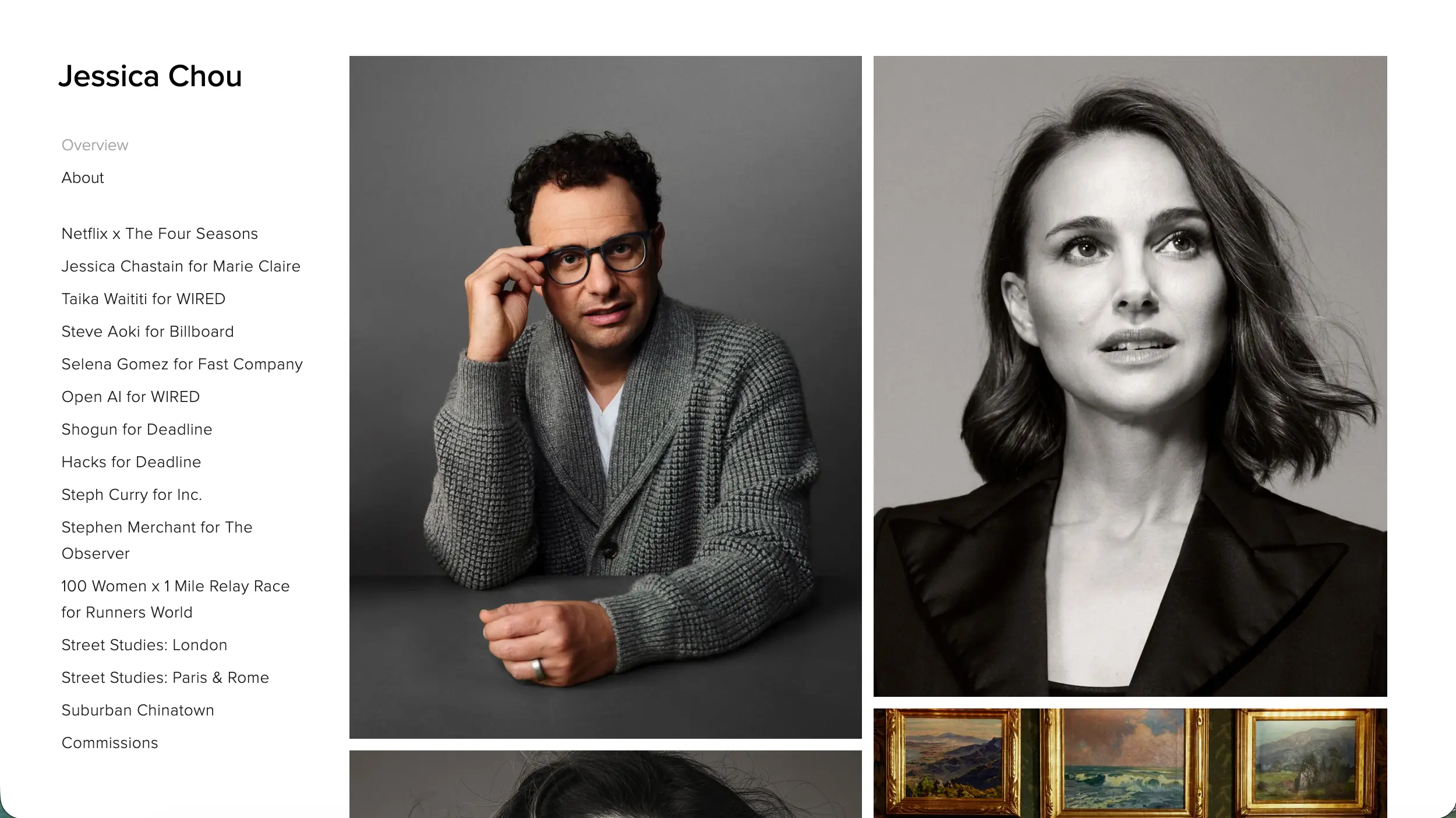
Jessica Chou's portfolio lets the photography carry the experience while still giving editorial visitors useful context around the work. Projects identify recognizable subjects, publications, and commissions rather than presenting every image as an isolated piece.

That structure makes the portfolio particularly useful for prospective editorial and commercial clients who want to understand both the visual style and the kind of assignments the photographer already handles.
02

Mike Kelley

Architecture Photography

Visit Website →
Best Architecture Photography Website
Mike Kelley architecture photographer website example
Mike Kelley

Why it works

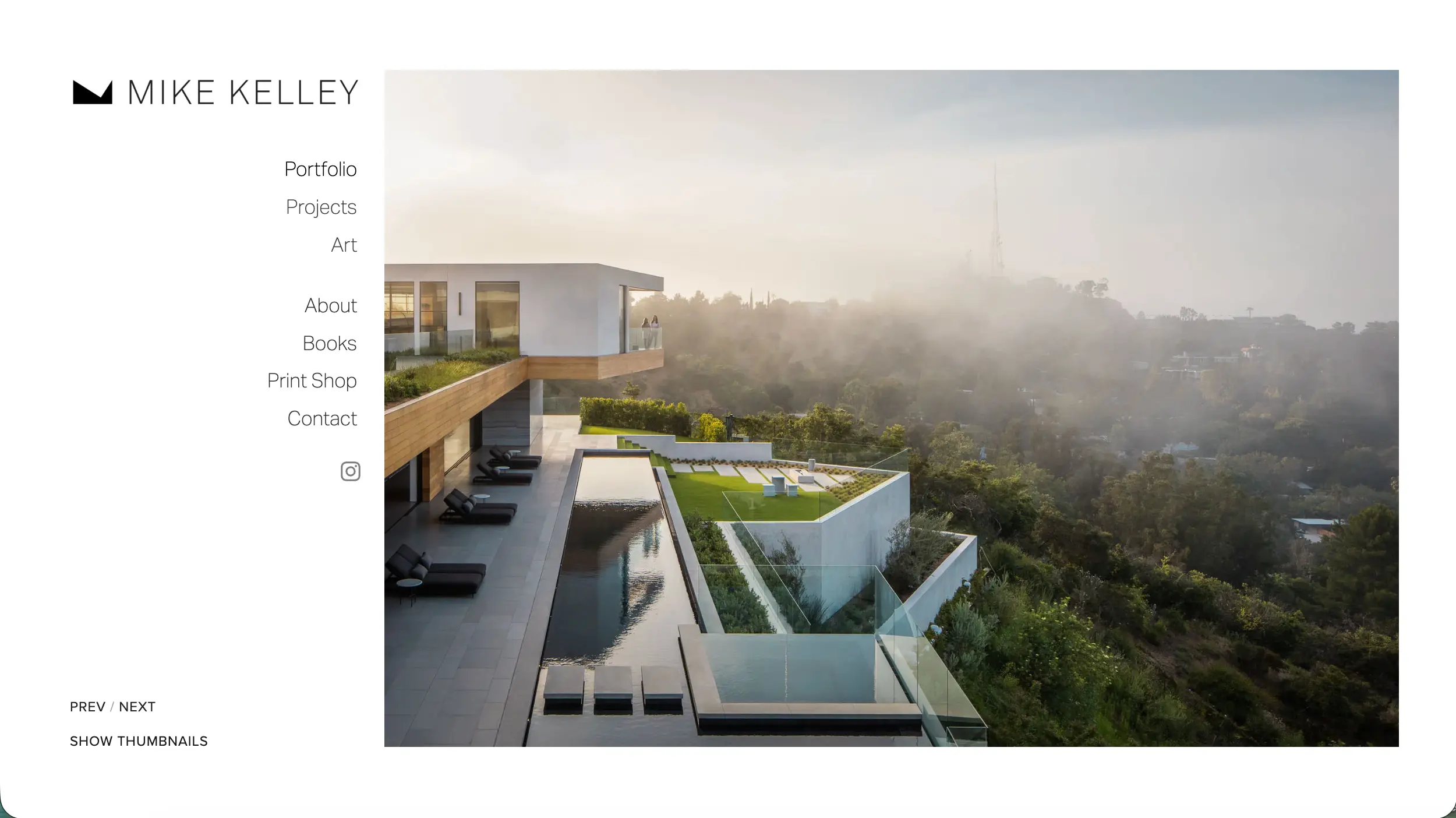
Mike Kelley's site makes the specialty clear immediately. Architecture and built environments dominate the portfolio, helping architects, developers, designers, and other relevant clients quickly determine whether the work fits their needs.

The inquiry process also asks practical project questions such as location, number of images, intended usage, and deadline. That turns the contact form into the beginning of a useful project brief rather than a generic message box.

03

Eva Kolenko

Food & Commercial Photography

Visit Website →
Best Food Photography Portfolio
Eva Kolenko food photographer website example
Eva Kolenko

Why it works

Eva Kolenko has a large commercial body of work, but the portfolio does not force visitors to browse one enormous undifferentiated gallery. Food, beverages, cookbooks, restaurants, travel, studio work, and licensing are separated into useful categories.

This makes it easier for art directors, restaurants, publishers, and brands to go directly to the kind of imagery most relevant to their project.

04

Scott Snyder

Product Photography

Visit Website →
Best Product Photographer Positioning
Scott Snyder product photographer website example
Scott Snyder

Why it works

Scott Snyder makes his positioning memorable with the concise phrase "photographer of objects." It immediately tells visitors what he does without relying on vague creative language.

The site then reinforces that positioning with relevant work, recognizable client proof, testimonials, and a direct path for prospective clients to discuss a project.

05

Tim Walker

Fashion & Editorial Photography

Visit Website →
Best Fashion Photography Portfolio
Tim Walker fashion photographer website example
Tim Walker

Why it works

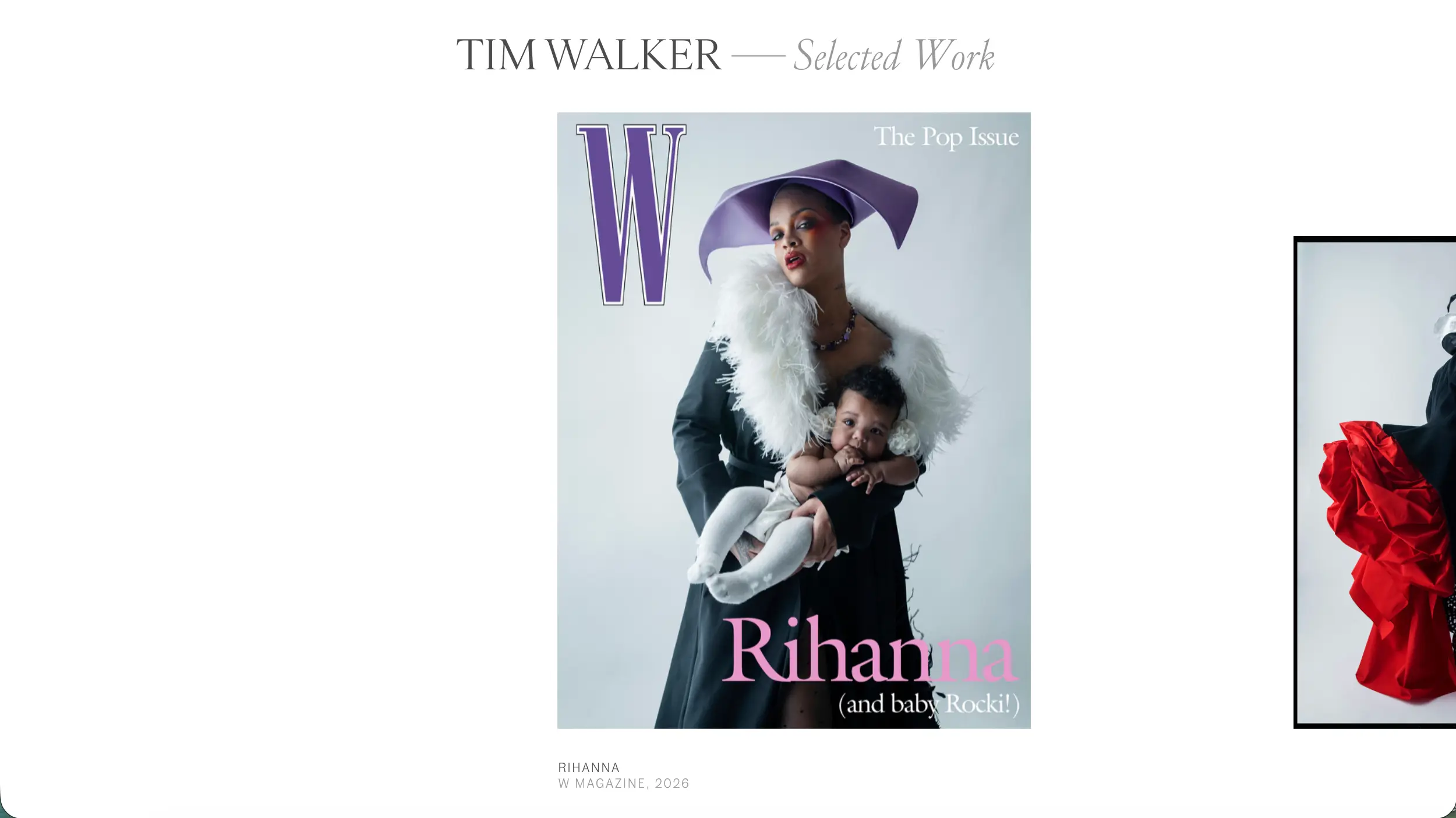
Tim Walker's highly recognizable imagery does most of the visual work, so the surrounding interface remains restrained. Instead of adding unnecessary decorative elements, the site gives the photographs room to dominate.

Categories such as Selected Work, Portraiture, Stories, Moving Image, and Books also help visitors explore different parts of a creative career without cluttering the presentation.

06

Cassandra Ladru

Wedding Photography

Visit Website →
Best Wedding Photography Website
Cassandra Ladru wedding photographer website example
Cassandra Ladru

Why it works

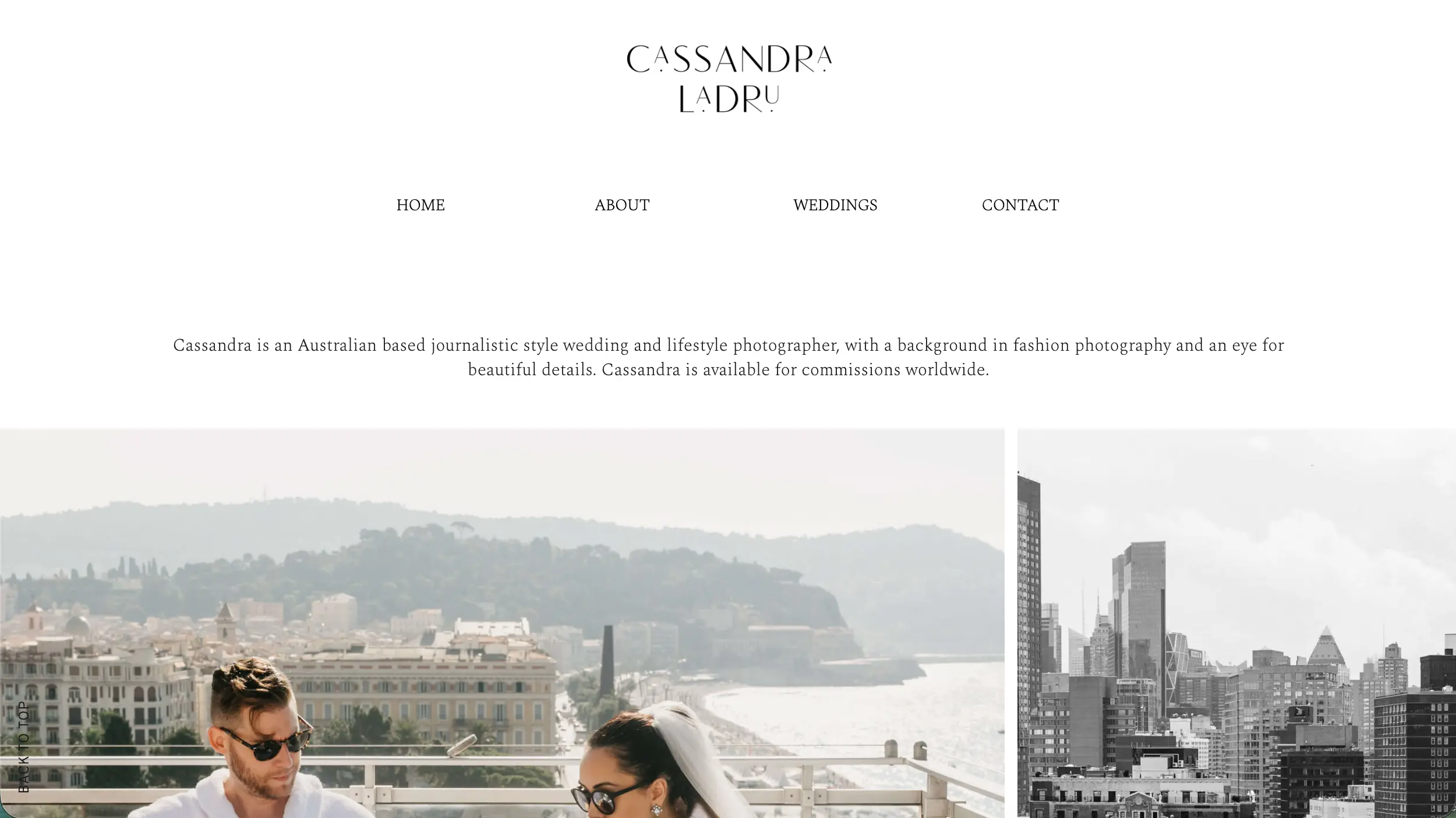
Cassandra Ladru combines immersive wedding imagery with the practical information couples need before making an inquiry. Galleries and emotional positioning establish the style, while testimonials, recognition, FAQs, availability, and pricing information reduce uncertainty.

Publishing a starting investment also helps prospective clients understand whether the service is within their expected budget before beginning the inquiry process. For a more specialized take on destination and intimate wedding photography, see our elopement photographer website examples.

07

Agata Photography

Family & Portrait Photography

Visit Website →
Best Family Photography Trust Signals
Agata Photography family photographer website example
Agata Photography

Why it works

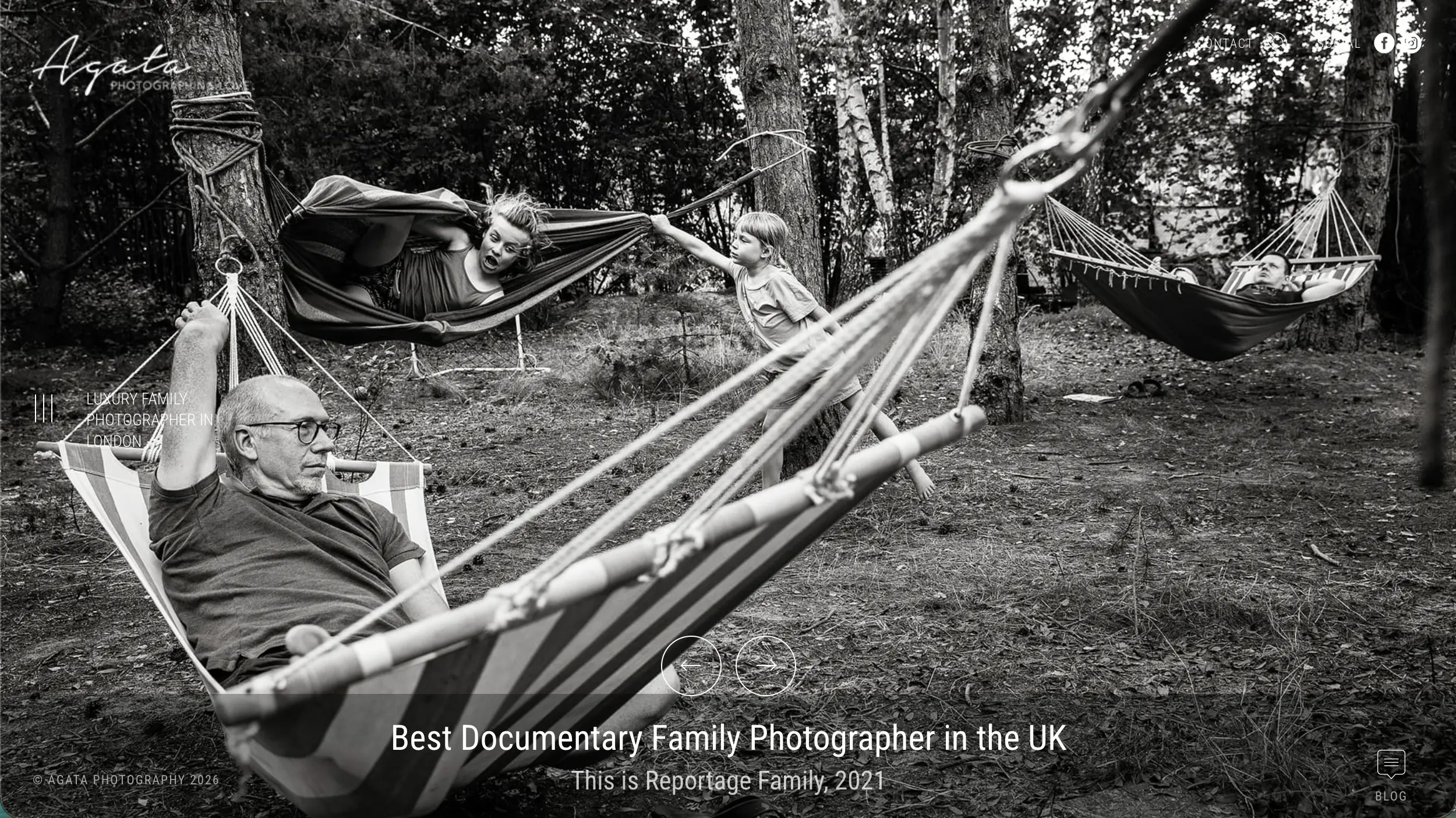
Family photography is a personal service, so trust matters almost as much as portfolio quality. Agata Photography reinforces credibility through awards, recognition, media mentions, galleries, and substantial information about services and investment.

Different styles and service options are also explained rather than leaving families to guess what kind of session they would be purchasing. If newborn and family work is your focus, our newborn photographer website examples show how specialists handle parent reassurance, session preparation, safety, and booking.

08

Alex Tran

Portrait & Headshot Photography

Visit Website →
Best Pricing & Process Transparency
Alex Tran portrait and headshot photographer website example
Alex Tran

Why it works

Alex Tran removes much of the uncertainty that normally surrounds portrait photography. Portraits and headshots are clearly distinguished, and visitors can review session lengths, pricing, image costs, optional add-ons, and the overall workflow.

The site also explains options for corporate teams, making it useful for both individual and business buyers rather than forcing everyone through the same vague inquiry process. For a more personal portrait specialty, see our boudoir photographer website examples for approaches to trust, privacy, branding, and client experience.

09

Ami Vitale

Documentary & Conservation Photography

Visit Website →
Best Photo Storytelling Website
Ami Vitale documentary photographer website example
Ami Vitale

Why it works

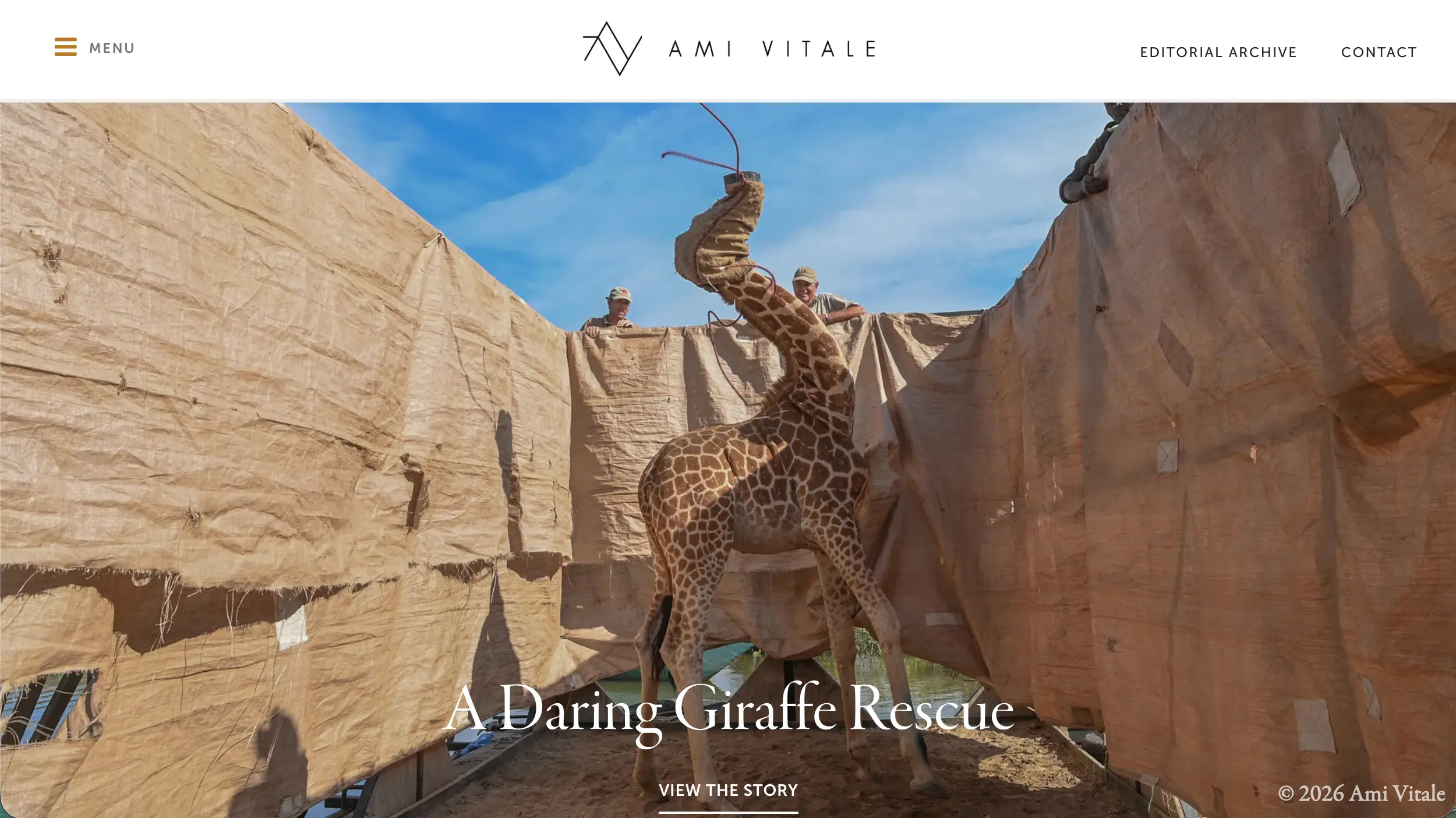
Ami Vitale organizes photography around complete visual stories rather than treating the portfolio as a collection of unrelated standout images. That approach gives visitors context around the people, wildlife, conservation work, and places being documented.

Video, education, a shop, and editorial material expand the site beyond a conventional client portfolio while still keeping photography at the center of the experience.

10

Balazs Fodor Photography

Underwater & Wildlife Photography

Visit Website →
Best Niche Photographer Website
Balazs Fodor underwater wildlife photographer website example
Balazs Fodor Photography

Why it works

Balazs Fodor defines the niche quickly through underwater and wildlife imagery rather than trying to appeal to every possible photography client. The site's positioning makes the specialty memorable from the start.

The ocean-focused blog adds another layer of authority with trip reports, photography guides, conservation content, and other material closely connected to the portfolio rather than unrelated general blogging.

What We Learned

What the Best Photographer Websites Have in Common

The strongest photography websites put the work first while still giving prospective clients enough information to understand the specialty, credibility, process, and next step.

Strong Work Up Front

The portfolio should become visible quickly instead of making visitors read through a long introduction before seeing the photography.

Clear Specialization

Visitors should be able to tell whether the photographer specializes in weddings, portraits, architecture, products, food, fashion, or another field.

Organized Galleries

Projects and galleries should reflect the way prospective clients browse instead of becoming one endless stream of images.

Credibility & Context

Clients, publications, awards, testimonials, recognizable projects, or experience can help visitors understand the photographer's track record.

Useful Service Information

Pricing, process, availability, licensing, locations, deliverables, or session details can answer important questions before an inquiry.

A Clear Next Step

Make it obvious whether visitors should inquire, book, request a quote, license an image, purchase a print, or take another action.

Building Your Own?

How to Build a Photographer Website Like These

You don't need complicated effects to make a strong photography site. Start with your best work, make your specialty obvious, organize galleries around prospective clients, and create a simple path from viewing the portfolio to making contact.

1

Lead With Your Best Work

Use a strong opening image or compact selection that immediately communicates the quality and visual style of your photography.

2

Define Your Specialty

Tell visitors what kind of photographer you are and who you typically work with.

3

Organize the Portfolio

Build galleries around meaningful project types, services, specialties, or stories rather than uploading everything into one collection.

4

Simplify the Inquiry

Give prospective clients enough information to understand the service, then make the relevant contact or booking path easy to reach.

Before You Launch

Photographer Website Checklist

Use this as a practical starting point when building or reviewing a photography portfolio website.

Your best photography is visible quickly
Your photography specialty is obvious
Portfolio galleries have meaningful categories
Images display well on desktop and mobile
Your about page explains relevant experience
Testimonials, clients, publications, or awards are included when useful
Pricing or investment information is provided when appropriate
The booking or project process is understandable
Contact or inquiry actions are easy to find
The site's design supports the images rather than competing with them

Frequently Asked Questions

Photographer Website Design FAQs

What should a photographer website include?

A photographer website should generally include a strong portfolio, clear information about the type of photography offered, an about section, service or process information, and an easy way for prospective clients to make contact.

How many photos should be in a photography portfolio?

There is no single ideal number. The goal is to show enough work to demonstrate consistency, range, and experience without weakening the portfolio with unnecessary images. A smaller selection of strong photographs is often more effective than showing everything.

Should photographers show prices on their websites?

It depends on the business model. Portrait and wedding photographers may benefit from showing starting prices or package information, while highly customized commercial projects may need individual quotes. Either way, visitors should understand how to get pricing.

What should appear first on a photographer website?

Strong photography should usually appear very early. Visitors should quickly understand the photographer's visual style and specialty before being asked to read large amounts of background information.

Should a photography website have separate galleries?

Separate galleries are useful when a photographer works across meaningful specialties, project types, or audiences. Categories should make the portfolio easier for clients to navigate rather than simply adding more menu items.